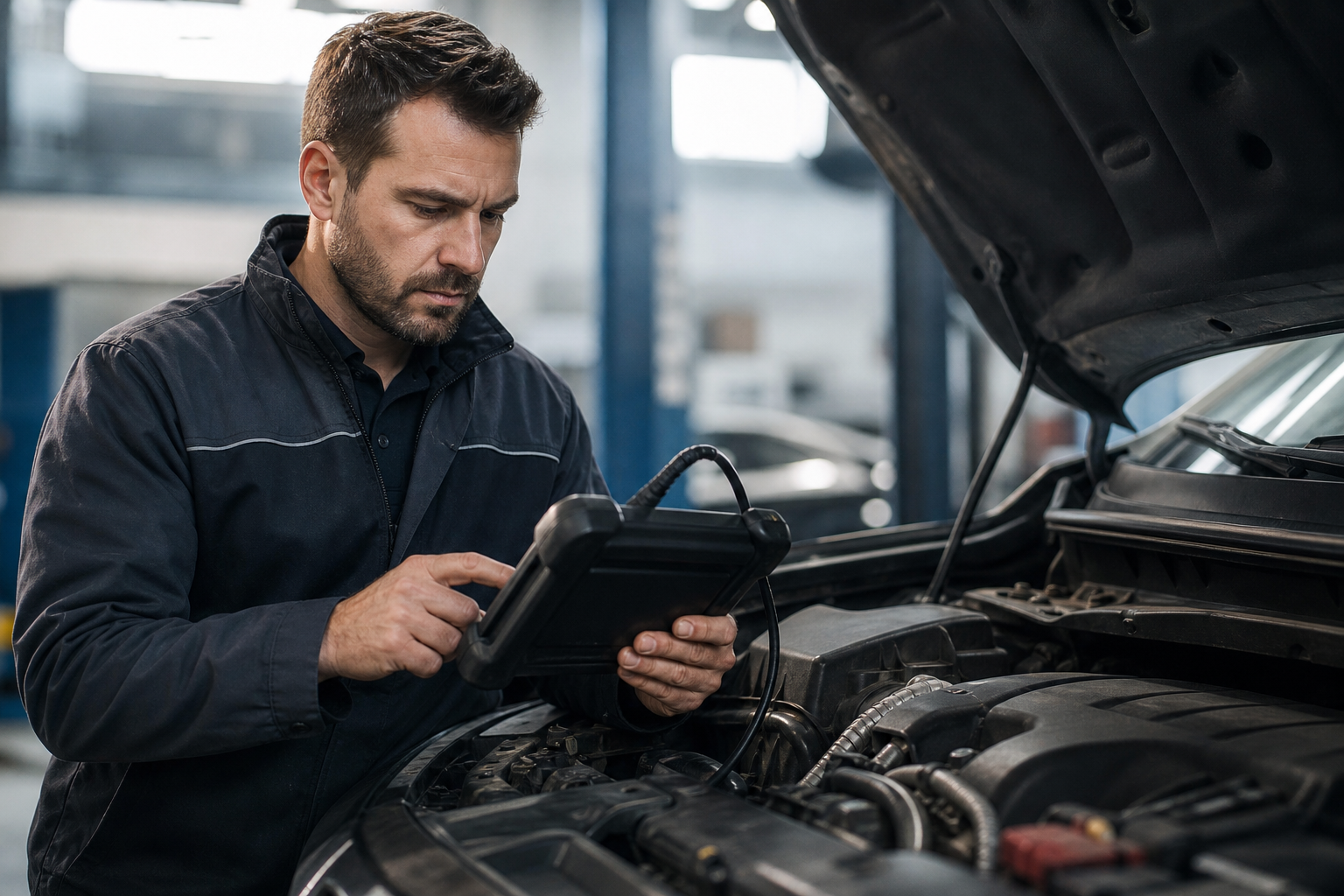
If a warning light disappears after a fault code is cleared but comes back later, the underlying issue may still be present. Clearing a diagnostic trouble code (DTC) resets stored information; it does not, by itself, repair a faulty component, wiring issue or system condition.
Effective DTC error code support starts by treating a code as a clue, not an automatic instruction to replace a particular part. The next step is to investigate what the vehicle detected, under what conditions, and whether the fault can be confirmed.
What a diagnostic trouble code tells you
A DTC is information recorded by a vehicle control system when it detects a condition outside its expected parameters. Depending on the code and vehicle, it may point towards a system, circuit, signal or detected behaviour. It does not always prove that the named sensor or component itself has failed.
For example, an implausible sensor reading could be related to the sensor, its connector or wiring, or another condition affecting the reading. Proper diagnosis uses the code alongside other relevant information and checks; replacing a part based on the code description alone can miss the cause.
Why does a fault code come back after clearing?
Clearing a code removes or resets stored diagnostic information. If the condition that triggered it remains, the vehicle may detect it again when the relevant system checks run. The warning light or code can then return immediately or only after the vehicle has been driven in conditions that allow the system to reassess that component or system.
A code can also return intermittently. A loose connection or a fault that occurs only under particular operating conditions may not be present every time the vehicle is checked. That is why the circumstances around the warning—such as when it appears and what the vehicle is doing—can help guide investigation.
What clearing codes can and cannot do
| Clearing a code can | Clearing a code cannot |
|---|---|
| Remove or reset stored fault information, depending on the system and tool. | Repair the fault that caused the code to be recorded. |
| Help establish whether a fault is detected again after a repair or check. | Confirm that a vehicle is fault-free just because the warning light has gone out. |
| Reset some diagnostic or monitoring information. | Show what the original fault was if the information was cleared before it was recorded or reviewed. |
Where possible, have the stored codes and relevant diagnostic information read before anyone clears them. A recent reset can also mean that some system checks have not yet completed, so an absence of a warning immediately afterwards is not the same as proof that the issue has been resolved.
What proper DTC diagnosis involves
A sensible diagnostic process moves from the recorded fault towards confirming its cause. The exact checks depend on the vehicle, system and code, but may include:
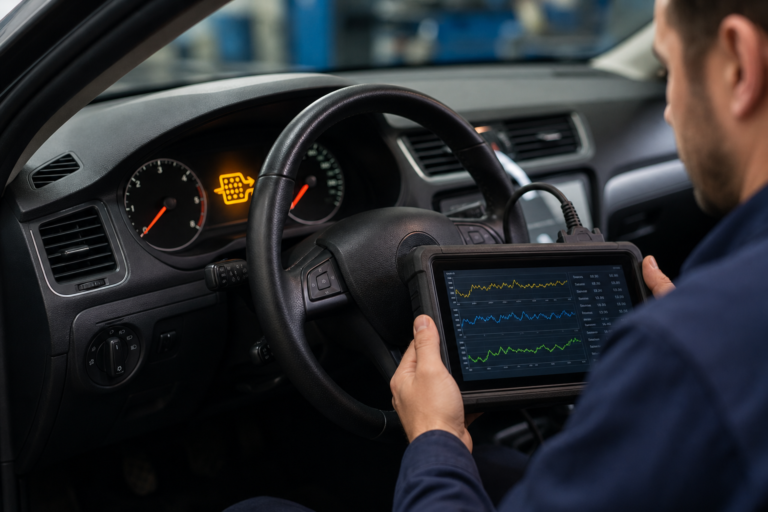
- Reading the fault information: Record the code and any available status or supporting data before clearing anything.
- Considering the symptoms: Note when the warning appears, how the vehicle behaves and whether the issue is constant or intermittent.
- Checking likely causes: Depending on the fault, this may involve visual inspection, connector and wiring checks, or reviewing relevant live readings.
- Confirming the suspected cause: Use appropriate checks for the vehicle rather than treating the code description as a parts list.
- Rechecking after corrective work: If the cause is addressed, the system can be checked again to see whether the fault returns when its diagnostic checks run.
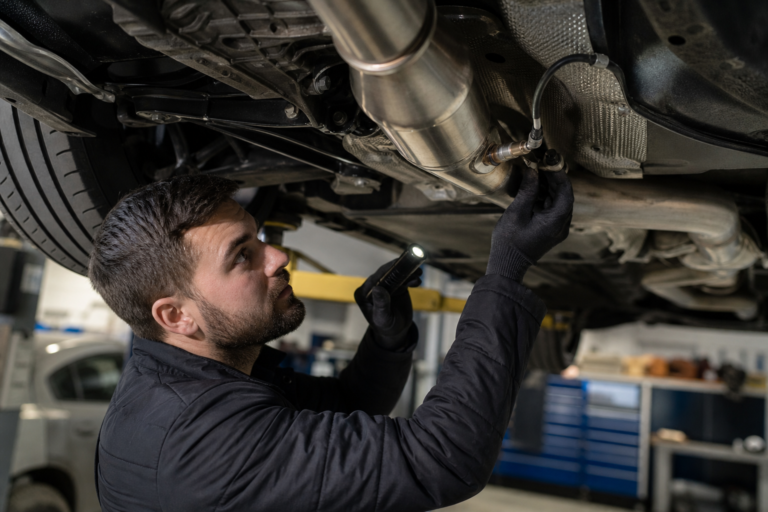
Some faults require mechanical inspection or repair. Software support should not be confused with repairing a damaged component, wiring fault or other physical problem. If the evidence points to a mechanical or electrical repair, that work needs to be handled by a suitably qualified repairer.
When to seek professional DTC error code support
Consider professional help if a warning keeps returning, the vehicle has reduced performance, several related codes appear, or the code description does not match the symptoms. Share any code readout, when the warning occurs, recent repairs or modifications, and whether the code has already been cleared. That context can make the investigation more useful.
Limited Edition Tuning provides DTC Error Code Support as part of its vehicle software services. The business is based in Sunderland. Support can help make sense of the diagnostic information and the appropriate next step; it should not be taken as a substitute for physical repair where a mechanical fault is identified.
To discuss a vehicle’s fault-code information, contact Limited Edition Tuning. For related reading, see the guides to DPF differential pressure sensor faults and DPF warning lights and failed regeneration.
Key point
A fault code returning after a reset usually means the vehicle has detected the relevant condition again; the reset itself did not establish or fix the cause. Read and interpret the information first, investigate the underlying issue, and clear codes only when it serves a diagnostic purpose.